
Filter
361 - 370 of 1250 results
Results for

APPAM Fall Research Conference 2026
Event
Abt is a Gold Sponsor of APPAM 2026. Catch us in Boston, in our sessions and at booth 304, or connect with the team here!

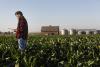
Rooted in Results: Powering Conservation Technology for America's Farmers and Ranchers
Impact Brief
Abt delivers streamlined technology systems that enable NRCS to provide timely conservation funding and support when farmers need it most.

Understanding Encampments of People Experiencing Homelessness and the Related Costs
Project
Homeless encampments have not been as visible on the American landscape since the Great Depression. Today’s encampments appear to reflect a complex set of factors, including increasing numbers of people living in deep poverty, underinvestment in new…


Evaluating Data on School Turnaround AmeriCorps Efforts
Project
School Turnaround AmeriCorps is a grant program to increase high school graduation, college readiness, and educational attainment for students in our nation’s persistently lowest-achieving schools, designated as School‐Improvement Grant (SIG) or Priority…

Identifying Emergency Rental Assistance Challenges
Publication
In two reports, Abt identifies the need for a new formula to calculate funding and slow ramp up as reasons for state Emergency Rental Assistance underspending.

Dissemination and Evaluation Center
Project
Approaches to link and retain vulnerable people living with HIV (PLWH) in HIV primary care are critical to ending the HIV epidemic. While evidence-informed interventions exist, they have not been broadly adopted. That’s why the Health Resources and…


Impact of the Comprehensive Care for Joint Replacement Model on Patient Reported Outcomes
Publication
An Abt study in Health Services Research found the CJR model didn’t harm patients’ health, but they were slightly more likely to rely on caregivers for recovery.