
Filter
541 - 550 of 1416 results
Results for

Connecting Care for Children and Families: Testing New Approaches to Improve Outcomes and Manage Costs
Impact Brief
Abt is evaluating if new approaches to CMS’s Integrated Care for Kids (InCK) Model can improve outcomes for Medicaid-enrolled children while controlling costs.


Spotlight On: Environmental Toxicology
Spotlight On
Our toxicologists design, implement, conduct and manage a wide range of laboratory and field-based bioassays, investigations and other tests to fill key data gaps and increase our understanding of the adverse effects of chemicals, mixtures, and other stressors on numerous organisms, including bacteria, algae, invertebrates, fish, reptiles, birds, and mammals.

The West Africa Trade and Investment Hub
Project
West Africa is one of the world’s poorest regions. Business and trade there face chronic obstacles such as spotty product quality, inaccessible loans, bureaucratic blockages, and donor dependency. The region’s leading midsized firms—those with the…

A Comprehensive Framework of Emergency Response Approaches to Vulnerable Populations in Crisis
Publication
A framework for understanding the range of programs that U.S. first responder agencies have implemented to improve response to behavioral health crises.
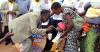
Market-Based Solutions to Improve Nutrition in Tanzania
Project
In Tanzania, children are especially vulnerable to malnutrition: 42 percent of the country’s children under age five suffer from stunting, anemia, and other micronutrient deficiencies. Tuboreshe Chakula (Swahili for Let’s Improve Food) was a USAID-funded…

Amplifying EPA’s Heat Island Reduction Program
Project
Structures such as buildings and roads, absorb and re-emit much more of the sun’s heat than do natural landscapes such as forests and bodies of water. Urban areas with highly concentrated structures become “islands” of higher temperatures compared to…
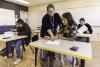
Supporting Efforts to Review Evidence in Education
Project
The U.S. Department of Education’s What Works Clearinghouse (WWC) was established in 2002 to serve as a central and trusted source of evidence on best practices in education. As the standard bearer for evidence in education, the WWC needs to stay abreast…