
Filter
461 - 470 of 825 results
Results for

Promoting Children’s Savings Accounts
Project
Employment rates and earnings rise sharply for those with a post-secondary education. However, the high cost can put it out of reach for many children; fully 97 percent of college students from low-income households are unable to cover their costs…

Summary and Insights from the Ten PACE and HPOG 1.0 Job Training Evaluations
Publication
Of 10 programs using career pathways strategies, most had large impacts on credential receipt & modest impacts on training duration; 1 had earnings impacts.
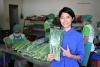
Abt’s Buyer-led, Market Systems Approach to Cambodian Horticulture
Project
Millions of Cambodians have risen from poverty, yet many still live in vulnerable conditions. The government of Cambodia recognized that accelerating the growth of the horticulture sector would bring new opportunities, enabling farmers to benefit from…

Evaluation of the Oncology Care Model: Performance Periods 1-9
Publication
Abt’s report on CMS’s Oncology Care Model found net losses for Medicare, but payment reductions for some cancers could offer pathways toward value-based care.

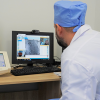
Telemedicine: A Lifeline for Ukraine's Health System Amidst War
Impact Brief
The Abt-led USAID Local Health System Sustainability Project is helping Ukraine adopt telemedicine to connect people to healthcare during the war with Russia.
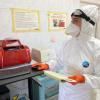
Building Lab Skills in Tajikistan for COVID-19 and Beyond
Impact Brief
The Abt-led USAID LHSS project helped strengthen the capacity of laboratory specialists in Tajikistan to perform high-quality COVID-19 tests.
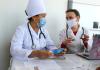
Digital Health Improves Odds for TB Treatment in Uzbekistan
Impact Brief
In Uzbekistan, an Abt-managed USAID project has trained doctors to use digital health to improve follow-up treatment for TB patients.
PMI VectorLink’s Community-based Approach
Impact Brief
PMI VectorLInk’s heightened engagement with community leaders has led to higher acceptance of insecticide spraying and a 50 percent drop in malaria deaths.