
Filter
211 - 220 of 1314 results
Results for
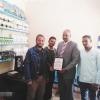
USAID-funded Project Yields New Farm Businesses
Impact Brief
The Feed the Future Egypt Rural Agribusiness Strengthening Project’s internship program prepares trains young graduates to enter the agribusiness field.

RESEA: Building Evidence for Reemployment Services
Project
To improve the Reemployment Services and Eligibility Assessments (RESEA) program’s success in helping Unemployment Insurance claimants return to work more quickly, Congress introduced requirements that RESEA programs be supported by evidence of…

Valley Initiative for Development and Advancement Six-Year Impact Report
Publication
The Valley Initiative for Development and Advancement increased receipt of college certificates and degrees but did not lead to higher incomes.
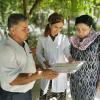
Local Health Leaders Empowered with USAID Support
Impact Brief
The Abt-led, USAID-funded Healthy Mother, Healthy Baby Activity’s technical assistance helps a Tajikistan lifestyle center improve community health behavior.

The National Evaluation of Investing in Innovation (I3)
Project
Investing in Innovation (i3) is a signature U.S. Department of Education-funded competitive grant program to fund school districts and nonprofit organizations to improve student outcomes. The i3 program has awarded more than $1.3 billion to 172 grantees…

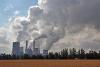
Risk-Screening Environmental Indicators Project
Project
To streamline emissions data, the U.S. Environmental Protection Agency’s (EPA) Risk-Screening Environmental Indicators (RSEI) is a modelling tool that helps policy makers, researchers, and communities explore data on releases of toxic substances from…

Workforce Development
Link
Abt builds evidence and identifies promising practices to help workers find and retain jobs and advance to higher-paying positions. Our experts provide technical assistance to partners such as U.S. federal, state, and local government workforce agencies; education institutions; and community and philanthropic organizations. Our strategies include a wide range of research-informed approaches generating actionable evidence to improve economic well-being. To promote fairness, our approaches address the needs of certain populations, such as healthcare workers and those with disabilities, substance use disorders, and justice system involvement.