
Filter
761 - 770 of 1399 results
Results for

Family Options: Finding the Best Interventions to End Homelessness for Families
Project
More than 150,000 families experience homelessness each year and are forced to seek emergency shelter or face life on the street. The U.S. Department of Housing and Urban Development wanted to understand the most effective options to help these families.

Patient-Centered Care: It’s Not Just a Buzzword
Blog
The AcademyHealth Annual Research Meeting inspired this blog on the benefits of Abt’s approach to including patient perspectives in health care delivery.


Tracking COVID-19 in Pregnant Women and Infants
Project
Pregnant women may be more vulnerable than the general population to respiratory infections and severe respiratory complications from COVID-19, and CDC needs more research on their potential effects on birth outcomes to continue to guide the public. In…

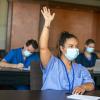
Agile During a Pandemic: How HPOG 2.0 Programs Responded to COVID-19
Publication
As the COVID-19 pandemic unfolded, HPOG 2.0 programs adapted their procedures to continue activities while protecting their staff, students, and partners.
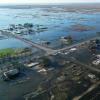
Shelter from the Storm: Addressing the Dual Crisis of Extreme Weather and Homelessness
Publication
Homeless response systems need support to strengthen their resilience to extreme weather shocks and the disproportionate harm that extreme weather has on people experiencing homelessness.

First Nationally Representative Study of Migrant and Seasonal Head Start Programs in 20 Years Offers a Treasure Trove of Data
News
Migrant and Seasonal Head Start (MSHS) programs provide early childhood education, social and support services to culturally and linguistically diverse migrant and seasonal farmworker families and their children. Since the last nationally representative study of MSHS was conducted almost 20 years ago, there’s an urgent need for an update on MSHS programs and centers, and the farmworker families they serve. Changes in migration patterns, immigration policies and climate conditions may be affecting these children and families in as yet unknown ways, and the MSHS program may have to adapt to their changing needs.