
Filter
371 - 380 of 1341 results
Results for

Healthy Military Families Undergird National Readiness
Impact Brief
The only DoW-wide longitudinal study on U.S. military family health has generated vital evidence to inform programs, policies, and support services critical to family stability and force readiness.
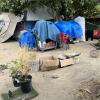
Understanding Homeless Encampments in Long Beach, L.A. River Basin, and San Fernando Valley
Publication
A Conrad N. Hilton Foundation-funded, Abt-led evaluation studied three encampments in Los Angeles.

Tracking Minnesotans' Access and Use of Home and Community-based Health Services
Project
Minnesota’s Department of Human Services wanted to leverage existing state data to develop measures to help monitor access to Medicaid-funded home and community-based services (HCBS). To build on our prior work evaluating critical access to the state’s…

A New Handbook to Support Health IT for Quality Improvement
Publication
Abt helped the Agency for Healthcare Research and Quality (AHRQ) develop a handbook to support coaches using Health IT for quality improvement in primary care.


Tanzania: Improving Access to Health Commodities Through a Stronger Health System
Impact Brief
Through GHSC TA-TZ and PS3+, Abt is helping Tanzania develop an efficient, sustainable system to procure, pay for, and deliver health commodities.

A State Playbook to Transform America’s Rural Health Workforce
Blog
An informative playbook to build, retain, and support the rural health workforce through GYO pipelines, pathways, residencies, telehealth, and team-based care.

Public Health Benefits per kWh of Energy Efficiency and Renewable Energy in the United States: A Technical Report
Publication
These values help state and local policymakers estimate the monetized public health benefits of investments in energy efficiency and renewable energy (EE/RE).


Evaluation of Bridges to Career Opportunities: Final Report
Publication
Abt evaluated LISC’s BCO program and found participants were 19 percentage points more likely to have a “job improvement.”