
Filter
821 - 830 of 1015 results
Results for

Evaluating STI and HIV Surveillance Data Linkage
Project
Health departments collect surveillance data on individuals with sexually transmitted infections (STIs) and HIV. However, STI and HIV departments often have policies and practices impeding data sharing. Sharing and linking the data can help identify…

Supporting the Development of the National Emissions Inventory
Project
The U.S. Environmental Protection Agency’s (EPA) Emission Inventory and Analysis Group (EIAG) produces the National Emission Inventory (NEI), a comprehensive estimate of air pollutant emissions. States need these data to evaluate emissions trends and to…

Integrated Team Care Program
Project
Aboriginal and Torres Strait Islander peoples have high rates of risk factors associated with chronic illness and have much higher rates of chronic disease than non-Indigenous Australians. These higher rates affect overall life expectancy and mortality…

Evaluating Child Care Recovery Post-Disaster
Project
In the aftermath of disasters, children benefit from returning to normal routines. Save the Children, U.S. Programs (SCUS) offers direct resources and supports that enable child care centers to reopen, providing children with safe, familiar environments…
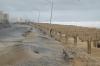
Evaluation of the Department of Interior Hurricane Sandy Coastal Resiliency Program
Project
The Department of the Interior (DOI) Hurricane Sandy Coastal Resiliency Program consists of 167 restoration, mitigation, and science projects to develop and implement best practices for improving coastal resilience to sea-level rise, storm surge, and…

Team Nutrition Training Grant E-STAR Evaluation
Project
The Team Nutrition Training Grant E-STAR Evaluation is a 4.5-year study that addresses Food and Nutrition Service’s need to understand the implementation of the Enhanced Strategies, Training, Action Plans, and Resources (E-STAR) Team Nutrition Training…
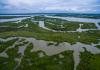
Supporting the Planning and Evaluation of Louisiana’s Mid-Barataria Sediment Diversion
Project
Louisiana needs to rebuild its eroding coastline, which is degrading in part because levees prevent sediment from the Mississippi River from replenishing coastal areas. The Mid-Barataria Sediment Diversion (MBSD) was proposed to reconnect the river to…

SNAP to Skills (S2S) Technical Assistance Initiative
Project
For the SNAP to Skills (S2S) technical assistance initiative of USDA’s Food and Nutrition Service, Abt is partnering with the project lead, the Seattle Jobs Initiative, to create tools and resources for states to develop demand-driven Supplemental…
Improving Health Services and Outcomes in Remote Areas of Papua New Guinea
Project
National and provincial health plans in remote communities in the Western Province of Papua New Guinea have mandatory goals for reducing child mortality, improving maternal health and combating HIV and AIDS, malaria, tuberculosis and other diseases.
PMI Evolve: Evolving Vector Control to Fight Malaria
Project
The World Health Organization estimates that about 608,000 people died from malaria in 2022, a slight decrease from the prior year, but still higher than before the onset of the global COVID-19 pandemic. Young children and pregnant women are among the…