
Filter
231 - 240 of 1385 results
Results for

Housing Adequacy and Health Status: A Call to Action for Mitigation Strategies Among Policymakers and Their Partners
Publication
Abt’s multidisciplinary teams and mixed methods approach can help federal, state, and local agencies address overlapping health and housing challenges.
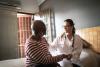
Evaluating California’s Project Roomkey
Project
Implemented by the California Department of Social Services (CDSS) and counties across California, the Project Roomkey (PRK) Program was a statewide effort to protect people experiencing homelessness by giving them an alternative to staying on the street…
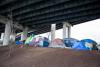
Understanding Encampments of People Experiencing Homelessness and the Related Costs
Project
Homeless encampments have not been as visible on the American landscape since the Great Depression. Today’s encampments appear to reflect a complex set of factors, including increasing numbers of people living in deep poverty, underinvestment in new…

Evaluating the Cell and Gene Therapy Access Model
Project
The Centers for Medicare & Medicaid Services created the Cell and Gene Therapy Access Model to be able to negotiate with manufacturers on behalf of states to make high-cost specialty drugs available to beneficiaries and affordable to State Medicaid Agencies.
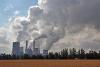
Risk-Screening Environmental Indicators Project
Project
To streamline emissions data, the U.S. Environmental Protection Agency’s (EPA) Risk-Screening Environmental Indicators (RSEI) is a modelling tool that helps policy makers, researchers, and communities explore data on releases of toxic substances from…


Analyzing If An Oncology Care Model Will Improve Care and Lower Costs
Project
Cancer strikes 1.6 million Americans each year. It imposes huge costs: heartache, death, and an estimated $263.8 billion in medical care and lost productivity in 2010, the most recent data available. Cancer care is complex and improving it faces a legal…

Spotlight On: CDC COVID-19 Research
Spotlight On
CDC’s real-time surveillance of COVID-19 cases and analyses of surveillance data inform public health policies, communication about protective behaviors, and guidance to public health and healthcare providers, communities, businesses, and schools.