Filter
371 - 380 of 1396 results
Results for
Better Insight on Methane Emissions with SWEET Tool
Impact Brief
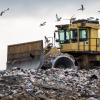
Having graduated from EPA’s peer review process, the Abt-designed SWEET tool has been updated to better identify and resolve methane emissions.

Abt Global to Partner with U.S. Department of Interior to Facilitate Clean Energy Collaborations
News
Through a $65 million contract, Abt will help DOI work with a range of stakeholders to maximize investments in clean energy and infrastructure development.

Healthcare Career Pathways Program Helps More Low-Income Latinos Earn Credentials
Project
Most healthcare jobs require postsecondary education or training. But many low-income, low-skilled Latinos face barriers to completing even short-term training for entry-level jobs due to low basic skills, limited finances, and other personal factors…


Partnering to Promote Advanced Cook Stoves
Project
Use of advanced cook stoves is one of the primary means to reduce indoor air pollution. Advanced clean cooking devices are designed to reduce smoke emissions and save fuel through better combustion. Abt Global implemented the Market-based Partnerships…

Integrating Employment Services with Substance Use Treatment and Recovery: The Experiences of Five Programs
Publication
An Abt-led report reviews five programs that combine SUD treatment and recovery services with employment services and makes recommendations for practitioners.



Culturally Responsive & Sustaining Education
Link
Culturally responsive sustaining education ensures that education is not only accessible but also relevant and meaningful for all students. Abt partners with non-profit organizations, education leaders, education systems, and state and local education agencies to meet the diverse needs of learners, particularly those from underserved communities. We use a strengths-based and equity-centered approach to conduct culturally responsive and rigorous research and evaluation. We collaborate with partners on goals and monitor progress to advance systemic fairness. Additionally, we help build capacity so that partners can implement equitable policies, programs, and practices on their own and ultimately contribute to student achievement and success.