


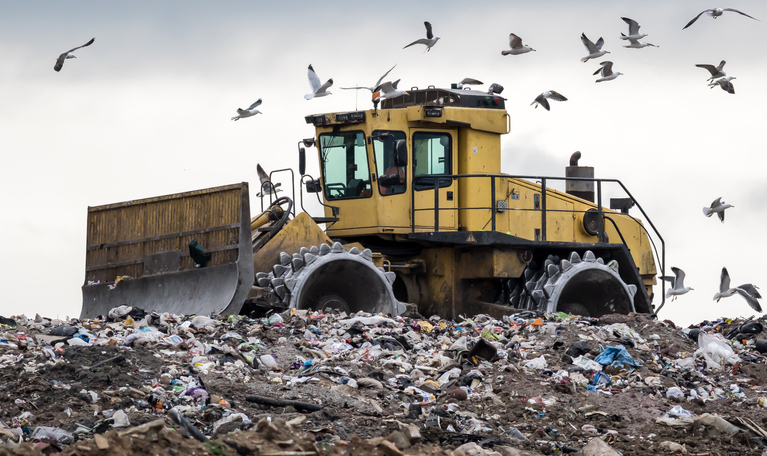
A recent report found methane emissions in 2019 (the most recent dataset) were the highest of any year in the past 800,000 years. Given that, ton-for-ton, methane is a more potent greenhouse gas than carbon dioxide, mitigating emissions is a priority. To do so effectively, policymakers need data, both to target emitters and to ensure mitigation efforts are effective. Four years ago, the Solid Waste Emissions Estimate Tool (SWEET) was developed by the U.S. Environmental Protection Agency under the auspices of the Global Methane Initiative. The tool was developed by Abt and our partner, SCS Engineers, to analyze methane sources that include dumpsites and landfills--the third-largest source of man-made methane emissions--and includes open garbage burning, which is a key source of black carbon emissions. SWEET has completed its official EPA Peer Review Process and is now sited on the Global Methane Initiative Website.
Since its launch, SWEET has had some updates, including:
- Additional revisions made to the black carbon estimates.
- The emissions calculations for organics management facilities now include factors from EPA’s Waste Reduction Model (WARM), such as:
- Revised methane emissions factors for anaerobic digestion (AD) and composting facilities.
- The addition of nitrous oxide (N2O) emissions from AD and composting facilities.
- Emissions reduction from the increased carbon storage that results from applying compost or AD digestate. This is calculated as net emissions reduction after accounting for transportation emissions and compost volume losses.
Further, new tools and resources are available to help ensure users develop the highest quality results include instructional videos and updated user guide.
“I’m pleased to report the tool has now been used in more than 50 cities to model emissions reductions from the waste sector,” says Abt’s project director Ben Matek. “SWEET is helping better target the nation’s methane emissions, which means we’re better able to devise solutions.”
Learn more about Abt’s work addressing pollution from solid waste.
Read More
Environment & Energy

With Win, Abt Global Extends Support for USACE Navigation Data Mission
Abt wins a seat on a USACE IDIQ supporting the data and analytics behind lock monitoring, dredging, and U.S. waterway statistics.

Spotlight On: Digital Solutions for Environment and Natural Resources
We combine topical expertise, environmental science, data analytics, & engineering to help agencies modernize systems & use data to support better decisions.

Regulating Harmful Contaminants for Healthier Communities
Abt supported the EPA in developing and implementing data-driven regulations for hazardous chemicals—particularly carbon tetrachloride—helping turn scientific evidence into enforceable protections that reduce risks to workers, nearby communities, and the environment.

From Exposure to Protection: Securing Safe Drinking Water
Abt helped the EPA develop data-driven regulations, treatment tools, and exposure models that strengthen protections against contaminants such as PFAS and lead, improving drinking water safety for millions of Americans.