
Filter
471 - 480 of 1253 results
Results for

The Homeless Families Research Briefs: Combatting Homelessness with Data
Project
The U.S. Department of Health and Human Services (HHS) plays a key role in connecting homeless families to benefits, employment and other services needed to help them find housing and work toward self-sufficiency. The Homeless Families Research Briefs…


SNAP to Skills (S2S) Technical Assistance Initiative
Project
For the SNAP to Skills (S2S) technical assistance initiative of USDA’s Food and Nutrition Service, Abt is partnering with the project lead, the Seattle Jobs Initiative, to create tools and resources for states to develop demand-driven Supplemental…

The C5+1 Project Helped Nations Plan Climate Resilience
Project
To support climate resilience activities at the regional level and in Kazakhstan, the Kyrgyz Republic, Tajikistan, Turkmenistan, and Uzbekistan, high-level discussions between the U.S. Secretary of State and C5 Foreign Ministers led to the launch…

Finding A Home for Mental Health
Blog
With Mental Health Awareness Month upon us, Abt’s Tamara Daley reflects on her first-hand reminder that the preservation of mental health demands a home.

Promoting Early Literacy Skills
Project
Abt Global was subcontracted by RMC Research to help the National Institute for Literacy promote the findings and recommendations of the National Early Literacy Panel. The Panel synthesized research on the teaching of literacy and literacy-related skills…
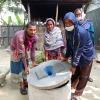
Latrine Businesses Prove Vital to Nutritional Health
Blog
Abt’s Ashfaq Enayetullah explains how commercial engagement furthers sanitation goals of our Feed the Future activity in Bangladesh and improves nutrition.

Supporting Accessibility of Health Data with CDC
Project
Following the COVID-19 pandemic and amid other virus outbreaks, the Centers for Disease Control and Prevention (CDC) learned many lessons and acquired deep expertise in how to communicate with the American public. CDC aims to take these lessons learned…
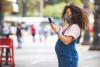
Tracking COVID-19 in Pregnant Women and Infants
Project
Pregnant women may be more vulnerable than the general population to respiratory infections and severe respiratory complications from COVID-19, and CDC needs more research on their potential effects on birth outcomes to continue to guide the public. In…