
Filter
971 - 980 of 1284 results
Results for


SOT Annual Meeting and ToxExpo 2026
Event
Abt helps translate complex toxicology and exposure science into usable insights that support policy, programs, and public health action.
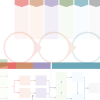
Abt’s Program Theory Playbook: Six Visual Strategies That Will Change Your Evaluation Game
Blog
Abt’s developed a playbook that illustrates six different types of program theories to help program developers and evaluators visualize program theories.

Causal Mechanisms in Program Evaluation
Publication
Abt’s Sebastian Lemire and Laura Peck discuss causal mechanisms in evaluation in two differet articles published in New Directions for Evaluation.

Using Data Analysis, Benchmarking, and Collaboration to Put High-GWP Refrigerants on Ice
Blog
Abt’s Joe Donahue explains how programs like EPA’s Abt-supported GreenChill Partnership can help different sectors reduce hydrofluorocarbon emissions.


Active Child Care Workers Lead to Active Toddlers
News
Findings of the Abt-led Study of Nutrition and Activity in Child Care Settings (SNACS) suggest ample room for improvement in provision of physical activity opportunities during child care.

Susceptibility of Anopheles gambiae From Côte D’Ivoire to Insecticides Used on Insecticide-Treated Nets: Evaluating the Additional Entomological Impact of Piperonyl Butoxide and Chlorfenapyr
Publication
Tests in Cote d’Ivoire show vector susceptibility to ITNs treated with chlorfenapyr to be much higher than for pyrethroids alone or with piperonyl butoxide.