
Filter
831 - 840 of 1018 results
Results for


When Compassion Calls: Addressing the Well-Being of Child Welfare Workers
Blog
"We don’t have any food. They are going to take my kids! Can you help me?" The desperate plea of a mother came through my voicemail. It was dinner time; I had already left the office for the day. I had been working with this family for months to address several safety risk factors. It was a tough case, and my job as a Prevention Specialist with the Department of Social Services (DSS) was to keep this family safely intact. I felt the weight of this responsibility every day. I knew if I did not intervene, foster care would be imminent for the children. However, the call came during the few hours I slept between jobs. I made less than $30,000 per year at DSS and, to make ends meet, worked a second full-time job at a residential program for youth aging out of foster care.

Investigating Housing Models for Accelerating PSH Production Final Report
Publication
Abt evaluated two different programs in Los Angeles to support the creation of permanent supportive housing and found some promising approaches.

Multi-site study of communities with PFAS-contaminated drinking water: Methods, demographics, and PFAS serum concentrations
Publication
Presents findings from a multi-site study examining the relationship between PFAS-contaminated drinking water and PFAS levels in residents’ blood across the U.S.

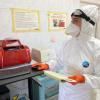
Building Lab Skills in Tajikistan for COVID-19 and Beyond
Impact Brief
The Abt-led USAID LHSS project helped strengthen the capacity of laboratory specialists in Tajikistan to perform high-quality COVID-19 tests.
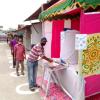
Handwashing Fights COVID-19 in Bangladesh
Impact Brief
Under the Feed the Future Bangladesh Nutrition Activity, Abt installed handwashing stations in 27 markets, raising awareness about proper handwashing practices.

Spotlight On: CDC COVID-19 Research
Spotlight On
CDC’s real-time surveillance of COVID-19 cases and analyses of surveillance data inform public health policies, communication about protective behaviors, and guidance to public health and healthcare providers, communities, businesses, and schools.