
Filter
391 - 400 of 1073 results
Results for
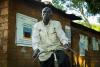
In a Complex Country, What’s Working for Better Health
Impact Brief
The statistics are head-turning: The Democratic Republic of Congo (DRC) has an estimated $24 trillion in untapped mineral deposits, yet the sixth highest poverty rate in the world. Its health outcomes are similarly out of line with its wealth.



Evaluating REL Pacific’s Secondary Writing Toolkit
Project
Literacy—including writing—is closely tied to student success throughout K–12 education, impacting high school graduation and, ultimately, income after graduation. But students across the United States perform poorly on assessments of writing and,…

Do Employers Earn Positive Returns to Investments in Apprenticeship? Evidence from Registered Programs under the American Apprenticeship Initiative
Publication
Employers experienced positive returns on their investments in registered apprenticeships.
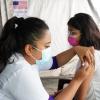
Reliability and Validity of an Innovative High Performing Healthcare System Assessment Tool
Publication
An innovative new tool that measures health systems performance and dimensions of universal health coverage (UHC) covered in-depth in BMC Health Services Research
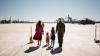
Advancing Military Family Health
Project
Abt Global is a key research partner to the Department Defense and Naval Health Research Center on the Millennium Cohort Family Study

Lessons from the Window of Opportunity Housing Initiative
Publication
Abt evaluated the MacArthur Foundation’s WOO Initiative and found investments in individual entities support affordable housing preservation and development.

How Can We Eradicate Infectious Diseases Using Machine Learning?
Podcast
In this month’s episode, Abt experts Jill Berkowitz and Sung-Woo Cho discuss how machine learning can amplify our work combatting malaria—25 million people protected to date—by applying what we’ve learned to other infectious diseases.