
Filter
1161 - 1170 of 1531 results
Results for

Inmates in 2020 – Statistical Tables
Publication
The Bureau of Justice Statistics’ Prisoners in 2020 – Statistical Tables uses data collected by Abt on inmates, ranging from imprisonment rates to demographics.



L.A.’s new homeless solution clears camps but struggles to house people
News
Inside Safe is Los Angeles’ program to provide hotel and motel rooms as shelter for people experiencing homelessness. Seven months in, CalMatters took a look at how the initiative’s performed thus far, and spoke to Abt experts Nichole Fiore and Lauren Dunton.

Supporting and Refining the Five-Star Quality Rating System for Nursing Homes
Project
When individuals need long-term care, information on provider quality is critical to making an informed choice. The major ongoing challenge in the project is preparing the monthly updates to Care Compare and its Five-Star Quality Rating System to support…

In Southeast Asia, Private Capital Unlocks Small Business Growth
Impact Brief
Through the Australia-supported Investing in Women initiative, Abt connected private capital with high-potential small and medium enterprises, strengthening access to finance and building more resilient labor markets across the region.


Supporting EPA Develop Indicators of Climate Change
Project
In its 2016 edition of Climate Change Indicators in the United States, more than 40 indicators of climate change demonstrate that global warming is already affecting the environment and society worldwide. The report, supported in part with data from Abt…
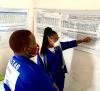
PMI VectorLink’s Community-based Approach
Impact Brief
PMI VectorLInk’s heightened engagement with community leaders has led to higher acceptance of insecticide spraying and a 50 percent drop in malaria deaths.