
Filter
1071 - 1080 of 1467 results
Results for

2025 American Criminology Association Annual Meeting (ASC)
Event
Abt is proud to exhibit and present at the 2025 American Association of Criminology’s (ASC) Annual Meeting.
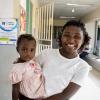
HIV and Cervical Cancer: Screening Needs
Impact Brief
An Abt-led program in Mozambique helped increase the number of women with HIV who got screening for cervical cancer from 856 to 49,387 within a year.

What should solving S.F.'s unsheltered homelessness cost?
News
As San Francisco debates how to best shelter people experiencing homelessness—with an emphasis on the cost to implement proposed solutions—the SF Examiner reached out to Abt for some insight.

Shifting from Crisis Response to Crisis Prevention
Publication
This paper outlines changes needed to shift a community’s orientation from crisis response to crisis prevention.

Dietary Intakes of Children Enrolled in US Early Child-Care Programs During Child-Care and Non-Child-Care Days
Publication
Early child care food intakes on child-care days more closely align to Dietary Guidelines for Americans than intakes on non-child-care days.
Maternal Opioid Misuse (MOM) Model Evaluation - Pre-Implementation Evaluation Report
Publication
Abt is evaluating CMS’s MOM Model to improve care and reduce costs for pregnant and postpartum Medicaid beneficiaries with OUD and their infants.

Evaluation of Acquired Brain Injury Pilot
Project
Acquired brain injury (ABI) is a particular concern for Australian Defence Force personnel, with 10 percent of those who served in the Middle East reporting symptoms that meet the criteria for a mild traumatic brain injury. People with ABI may experience…

College Affordability Views and College Enrollment
Publication
This report from Abt finds correlations between college enrollment and students’ belief in its affordability, as well as their parents’ level of education.