
Filter
281 - 290 of 1201 results
Results for


Evaluating an Innovative Job Corps Pilot Program
Project
Abt Global and its partner, MDRC, evaluated a Job Corps pilot program, the Cascades Job Corps College and Career Academy (CCCA), for the U.S. Department of Labor (DOL). The Cascades pilot was an ambitious and evidence-based attempt to increase education…


Closing the Gap: Surveying LA Renters to Improve Housing Access
Impact Brief
Abt helped HACLA collect and analyze current Los Angeles rental data, showing rents were about 12% higher than federal estimates and providing evidence to support voucher subsidy levels that better reflect local housing costs and improve access to stable housing.

Migrants in Colombia Find Kindness and Support in ‘Alliances of Solidarity’
Impact Brief
USAID’s Abt-led Local Health System Sustainability (LHSS) project built a Colombian non-governmental organization (NGO)’s capacity to help migrants get health care.

Supporting the Pathways to Work Evidence Clearinghouse
Project
Improving outcomes for job seekers with low incomes remains a critical task for U.S. social policy. Over the past three decades, significant strides have been made to build evidence on programs to improve the economic stability of those with low incomes…

Evaluating the Section 811 Rental Assistance Program
Project
The Section 811 program expands the housing supply for poor people with disabilities. Traditionally, HUD funded nonprofits to develop group homes and small rental developments exclusively for the disabled. Changes in Section 811 provide rental assistance…
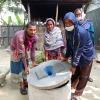
Latrine Businesses Prove Vital to Nutritional Health
Blog
Abt’s Ashfaq Enayetullah explains how commercial engagement furthers sanitation goals of our Feed the Future activity in Bangladesh and improves nutrition.

Evaluation of Indigenous Family Wellbeing Services
Project
Abt’s evaluation found that FWS help reduce Aboriginal and Torres Strait Islander children’s entry into the child protection system.

Pathways for Advancing Careers and Education (PACE)
Project
The Pathways for Advancing Careers and Education (PACE) study was designed to produce rigorous evidence for policymakers, practitioners, and researchers about the effectiveness of nine career pathways approaches that sought to increase credentials, employment, and self-sufficiency among low-income, low-skilled Americans.