
Filter
871 - 880 of 1356 results
Results for

Abt Names Sunnie McClain Vice President of Digital Solutions
News
Abt appoints Sunnie McClain as VP digital solutions to align digital capabilities with client needs and drive practical, mission-focused delivery.

Australian Nurse-Family Partnership Program
Impact Brief
The Australian Nurse-Family Partnership Program is a nurse-led home visiting program that supports women pregnant with an Aboriginal and/or Torres Strait Islander child.


New Joint Venture Stronghold Federal Accelerates Mission Delivery and Modernization
News
National Consulting Partners (NCP) and Abt Global announced the launch of Stronghold Federal MPJV.
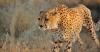
Namibia MCC Tourism Project Evaluation
Project
Etosha National Park, one of Namibia’s primary attractions, covers 8,600 square miles of wilderness, including the massive Etosha salt pan and savanna woodlands. Visitors stay in lodges within the park and visit watering holes to watch zebras, giraffes,…
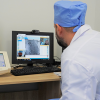
Telemedicine: A Lifeline for Ukraine's Health System Amidst War
Impact Brief
The Abt-led USAID Local Health System Sustainability Project is helping Ukraine adopt telemedicine to connect people to healthcare during the war with Russia.


Opioid Use Disorder (OUD), Housing Instability, and Housing Options for Recovery
Project
More than six in 10 drug overdose deaths in the U.S. involve an opioid, and an estimated 91 Americans die every day from an opioid overdose, according to the Centers for Disease Control and Prevention. For the homeless who survive an opioid overdose and…
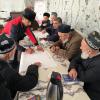
Breaking Taboos: Tajik Religious Leaders Engage Men on Women's Health
Impact Brief
In Tajikistan, Abt partnered with religious leaders and community networks to deliver health messaging through trusted, locally resonant channels.