
Filter
211 - 220 of 1213 results
Results for

ZIP Code-Level Estimation of Air Quality and Health Risk Due to Particulate Matter Pollution in New York City
Publication
Abt helped design the ZAPPA tool so New York City could evaluate the potential impacts of proposed environmental polices, down to the neighborhood level.

Evaluating the Employment Transition Model Demonstration
Project
Low-income youth and young adults with disabilities (Y&YAD) face a myriad of unique and challenging obstacles to improving their economic well-being, from experiencing homelessness to involvement in the foster care system...
Global Health Security
Link
Abt Global partners with governments, donors, and communities around the world in their efforts to prevent, detect, and respond to global health security threats. Our multi-sectoral approach helps countries comply with International Health Regulations by addressing weaknesses identified through Joint External Evaluation (JEE) and State Parties Self-Assessment (SPAR) tools. Abt brings together in-country public and private sector expertise on zoonotic diseases and environmental health across all functions of the health system. With these actors, we co-develop sustainable approaches that strengthen global health security, including disease surveillance. We build the capacity, relationships, and trust required to identify risks early and to mount timely and effective responses.

Health Policy & Workforce
Link
As demographics change and healthcare systems merge and consolidate, the U.S. needs an agile workforce undergirded by responsive and innovative healthcare policies to improve health outcomes and quality. Abt’s policy and workforce experts help clients and partners comprehensively plan for—and solve—today’s most urgent healthcare priorities, including soaring costs and complex health conditions. Our research, data analysis, and technical assistance guide solutions like staffing models, quality indicators for long-term care facilities, and alternative payment models.

Health Systems Strengthening
Link
As health systems evolve worldwide, Abt is a trusted partner to governments, donors, and communities, with unmatched expertise in health policy, governance, financing, workforce development, capacity building, and digital and data solutions. We catalyze change by optimizing resources and our network of 1,000+ health systems experts to deliver agile solutions for urgent problems while strengthening complex systems for the future. We work in mixed health systems worldwide to bring transformative change in quality improvement, regulatory processes, inclusive policies, and innovative financial protection mechanisms. We emphasize community and local leadership in solutions we co-design and implement, recognizing their capacity to drive meaningful change.

Private Sector Health
Link
To meet priority health goals, the private sector offers valuable resources such as skilled health workers, financing, and infrastructure to deliver services. Abt draws on our strong relationships with local governments around the world and deep understanding of the intricacies of the private health sector to achieve positive health outcomes. We identify opportunities for integrating the private health sector into the total health system and then facilitate strategic partnerships that build on each sector’s comparative strengths and resources. We also introduce innovative tools and solutions, improve the quality, sustainability, and impact of public health interventions, and ensure appropriate government oversight and stewardship.
Abt Gives Kyrgyz Health Workers Tools to Fight Vaccine Misinformation
Impact Brief
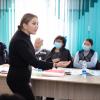
The USAID-funded, Abt-led Local Health System Sustainability Project gave Kyrgyz Republic health workers tools to fight COVID-19 vaccine misinformation.


Monitoring Flu Vaccination Coverage among Pregnant Women and Health Care Personnel
Project
Pregnant woman and health care personnel (HCP) need flu shots, yet coverage for these groups historically has been below national targets. Without shots, the groups’ health risks soar. Pregnant women who get the flu not only can contract severe diseases…