


HIGHLIGHTS
- Improved subnational governance and policy dialogue, services delivery and economic development opportunities in select provinces.
- Increased gender equality, disability equity and climate change outcomes.
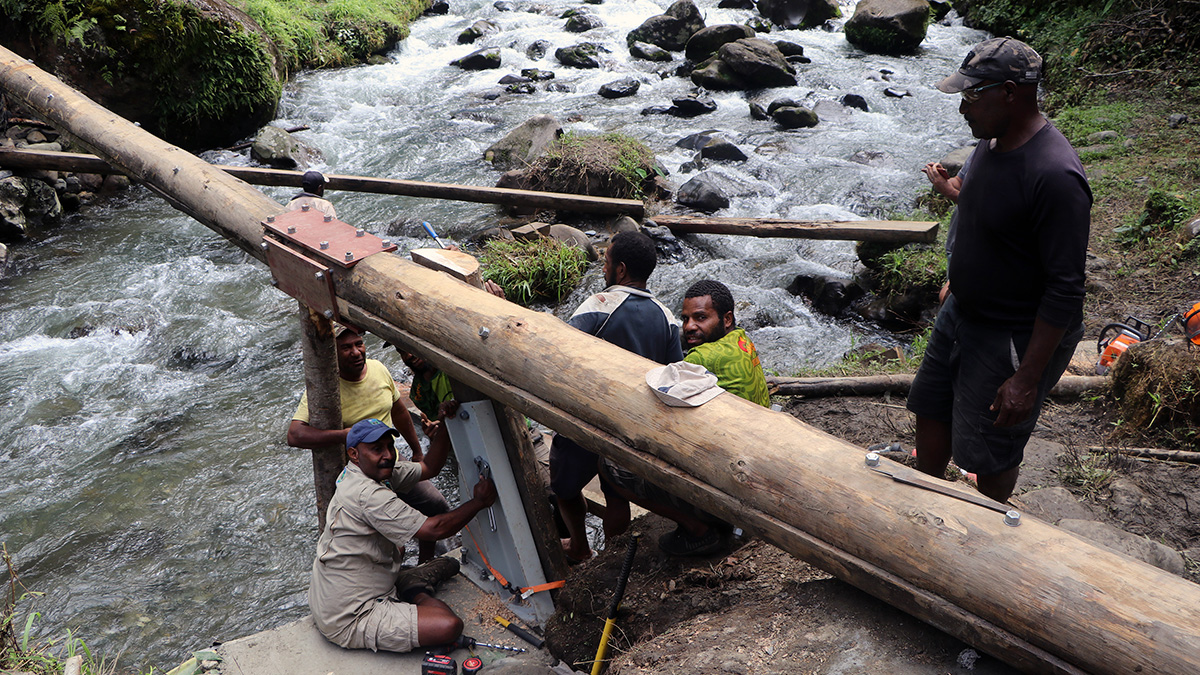
- Facilitated new water infrastructure and safe drinking water for over 24,000 people
PROJECT
The Australia-Papua New Guinea Subnational Program (APSP)
The Challenge
Papua New Guinea (PNG) is pursuing economic growth, enhanced stability and improved service delivery. To support these goals, the Papua New Guinea-Australia Comprehensive and Strategic Economic Partnership (CSEP) is strengthening cooperation on PNG’s priority regions and economic corridors.
The Approach
The Australian Government’s Australia – Papua New Guinea Subnational Program (APSP) supports CSEP through greater coordination of place-based development activities in agreed priority provinces and regions. It supports improved governance and equitable development through shared priorities and improved coordination and partnerships.
Managed by Abt, APSP is the implementation mechanism for approved place-based initiatives, including the Bougainville Partnership, Kokoda Initiative Partnership, the Western Province Partnership and the Subnational Governance Implementation Plan in Western Highlands, East and West Sepik and Morobe provinces.
The program also promotes women’s leadership, civil society and community participation across eight provinces with more than 120 partners including Government of PNG agencies, subnational governments, the private sector, civil society and multilateral donors.
The Results
APSP has increased subnational government engagement in policy dialogue, economic development and service delivery improvements.
The program’s comprehensive organisational capacity assessments and targeted capacity development for subnational agencies are strengthening public financial management, human resources, and planning and monitoring systems in subnational partner agencies.
APSP has supported the development of more than 30 policy and legal instruments. It also provided support to 44 subnational institutions, including the Autonomous Bougainville Government and Provincial Administrations in Western, Morobe, East and West Sepik and Western Highlands Provinces and the National Museum and Gallery, the Conservation and Environment Protection Authority, and the Kokoda Track Authority.
The program has increased access to services for thousands of people with disabilities, delivered income-generating activities for approximately 600 women entrepreneurs, and created about 800 jobs. It has also provided improved water, sanitation and hygiene (WASH) infrastructure and safe drinking water to over 24,000 people, and climate adaptations benefitting more than 5,000 Papua New Guineans.