
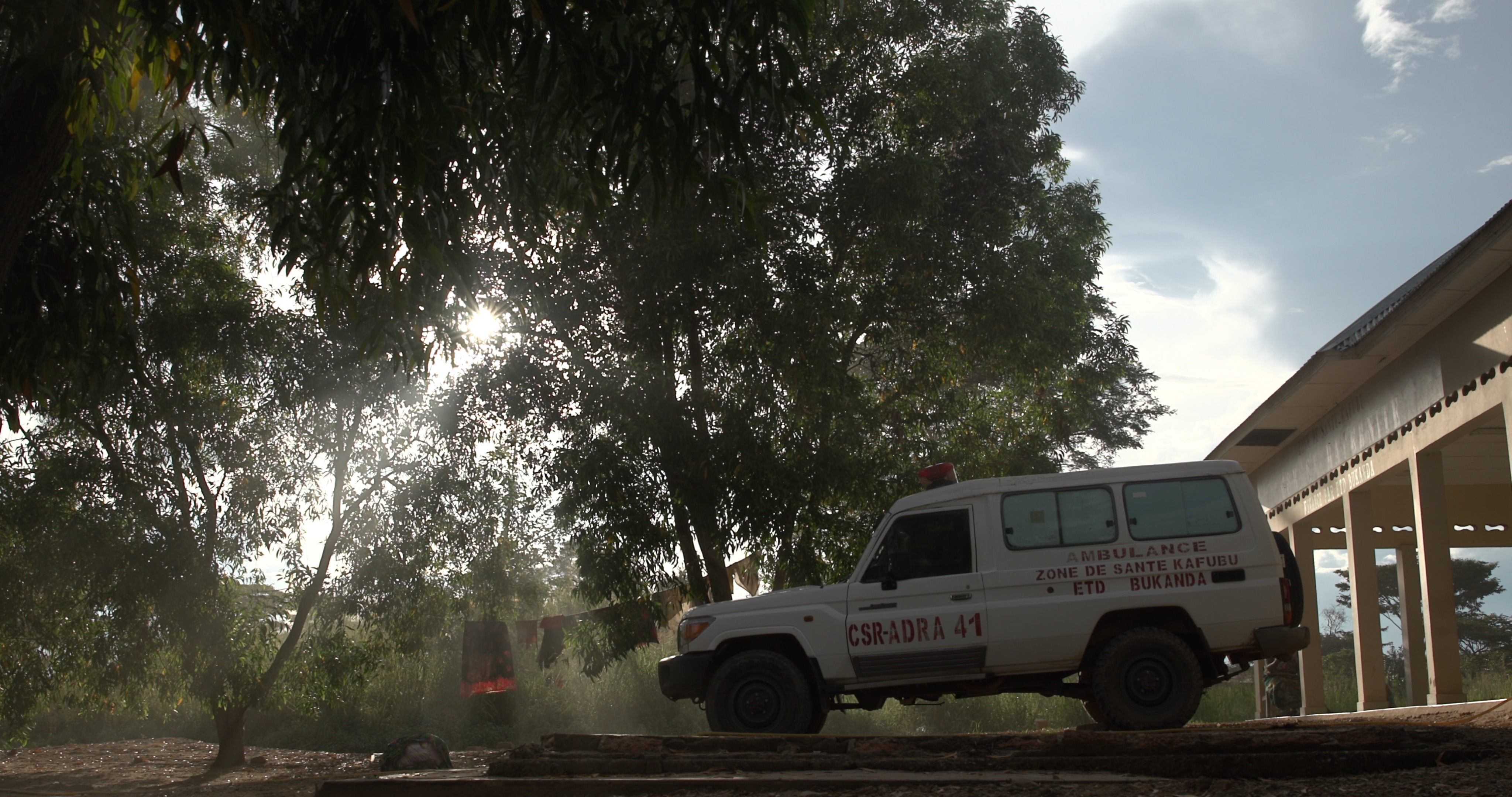
Life-Saving Health in the Balance. A Report from the Democratic Republic of Congo
The change in the U.S. foreign assistance landscape has created a new reality, replete with challenges – and real-life impact – but also exciting opportunities. A recent trip by William Tuleu sheds light on the opportunities to build on the success of the Integrated Health Program (IHP), including public-private financing mechanisms, fraud prevention and life-saving care. But more than that, it is clear that host-country resilience and durability remain priorities while we ensure transition. While the Government the DRC (GoDRC) is committed to renewed investment and more robust local ownership, there remains opportunities to continue the life-saving work that IHP achieved within this new paradigm.
From January through June 2025, child mortality rates across nine provinces of the DRC soared compared to the same period last year.
Deaths are up 145% due to malaria, by 472% due to diarrhea and 340% due to pneumonia.
Headwinds
I returned to the Democratic Republic of the Congo in August 2025 to see where the dust had settled since the early closured of IHP, hear the concerns and viewpoints of our MoH partners, and understand the exciting, new vision for the State Department in the DRC. Our Abt-led program, known locally as Prosani, had ended support to the national, provincial, and community health systems across nine provinces six months earlier than anticipated.
During my trip, I met with national and provincial Ministry of Health leadership—many of them colleagues and stakeholders we had worked with for years—and reviewed data from reports spanning the nine provinces. The numbers were chilling. They conveyed an extraordinary rise in child mortality linked to pneumonia, diarrhea, and malaria. These are diseases that are both preventable and treatable. In addition, there was a drop in TB support services, which left patients vulnerable to complications from life-threatening disease.
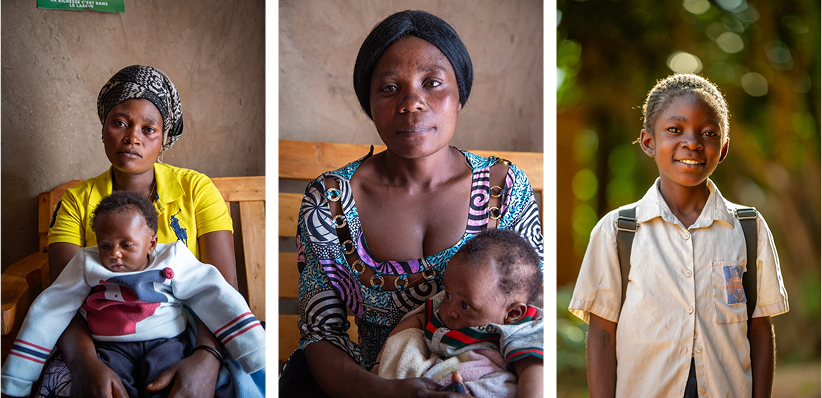
However, we’re seeing a light to guide us out of the tunnel, and it run through the GoDRC. As we confronted the stark reality in the data, we also keyed in on a practical path forward, led by the Government of the DRC. In April 2025, the Ministry of Health outlined a national “essential package” of high-impact actions:
- Protecting maternal and newborn care
- Tackling endemic diseases such as malaria and TB
- Restoring outbreak readiness
- Subsidizing curative services
- Accelerating digital tools for supply chains
This strategic vision is backed by a presidential directive and coordinated with donors. The plan sets measurable goals: Lift health’s share of the state budget toward the 15% target of the Abuja Declaration, reach at least a 75% budget-execution rate, and launch mandatory health insurance contributions (2.5% of salary per household: 0.5% employee, 2.0% employer) beginning July 2025. This last mandate, even under conservative assumptions, could mobilize roughly $289.3 million annually. These steps give us a framework for reengaging with the GoDRC to support durable, country-led, life-saving care.
As soon as a patient is detected to have a form of TB that is multi-drug resistant, we support visits from the doctor who will supervise the care of these patients. We had over 50 people who were almost dying, but because of this work we saved their lives.
Life Saving Care
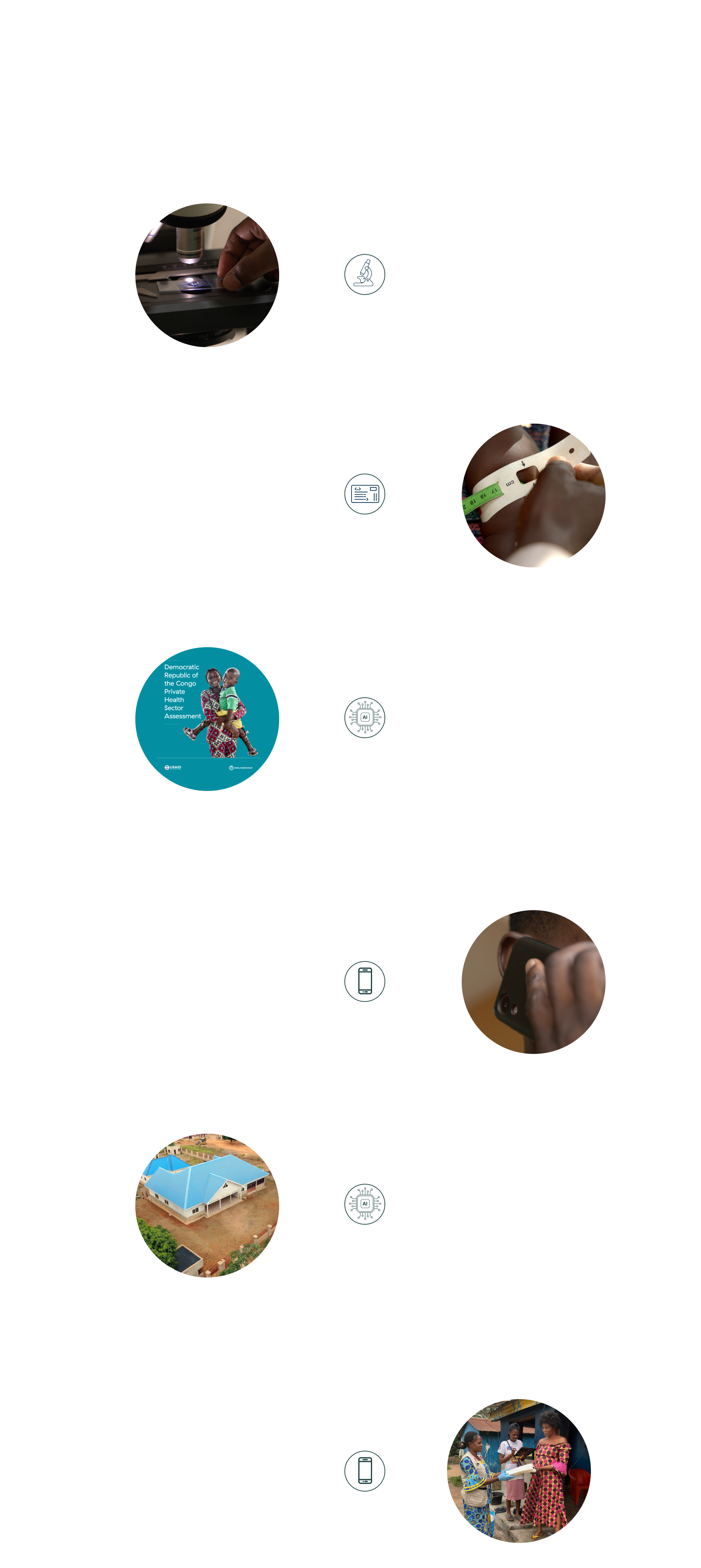
Between 2018 and early 2025, the Government of DRC and IHP showed what was possible. Across nine provinces, the program reached millions with essential care. Maternal and child health indicators improved dramatically. Neonatal deaths dropped by two-thirds, and stockouts of essential medicines fell sharply. Nearly 350,000 people received tuberculosis treatment, and more than 27 million children benefitted from nutrition interventions. Clinics, once isolated, were linked into real-time supply chains and accountability systems that worked.
Under IHP, clinical skills demonstrated by nurses and other staff attending maternal and newborn care improved from 46% to 92% leading to the drop in neonatal deaths. With an extensive network of support across nine provinces, Abt staff trained 1,949 providers across 827 facilities, and in turn these provides treated 8.8 million childhood diarrhea cases and 7.5 million acute respiratory infections; reached more than 27 million children with nutrition support; distributed over 11 million insecticide-treated nets (ITNs) and ensured biological confirmation for more than 90% of suspected malaria cases. TB case detection rose from 74% to 93% with treatment success above 95%. Vaccine outreach identified more than 50,000 “zero-dose” children and reconnected them to routine services.
Year over year IHP and the government were producing impact and saving lives, but when the funding ended suddenly, the government lost its partner and we saw first-hand the impact of the funding gaps, but we also saw that the government could sustain on its own.
Title Test Title Test
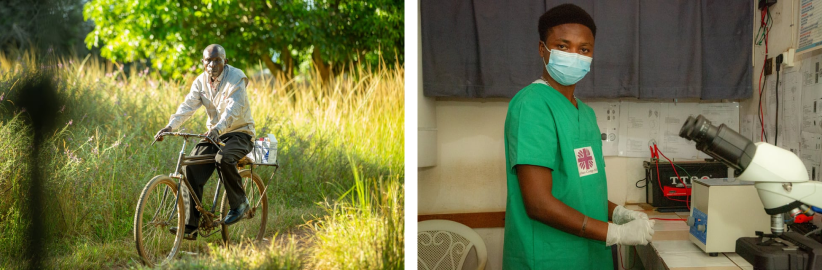
There are 7-8 villages receiving their first aid here at the Kamiseshi Community Care Site. When we observe a reduction in medications, I go out with my bike to the health centers, get a new stock of medicine and head back to the treatment site.
There are 7-8 villages receiving their first aid here at the Kamiseshi Community Care Site. When we observe a reduction in medications, I go out with my bike to the health centers, get a new stock of medicine and head back to the treatment site.
Smarter Financing through Mining Royalties
For decades, Congo’s mineral wealth has fueled global industry. Through IHP, we showed it could also power public health. More than $38 million in mining royalties were secured and redirected into building hospitals, equipping clinics, and preparing for epidemics. It was a rare example of how natural wealth could be harnessed for human capital, creating resilience that reduced dependency on foreign aid.
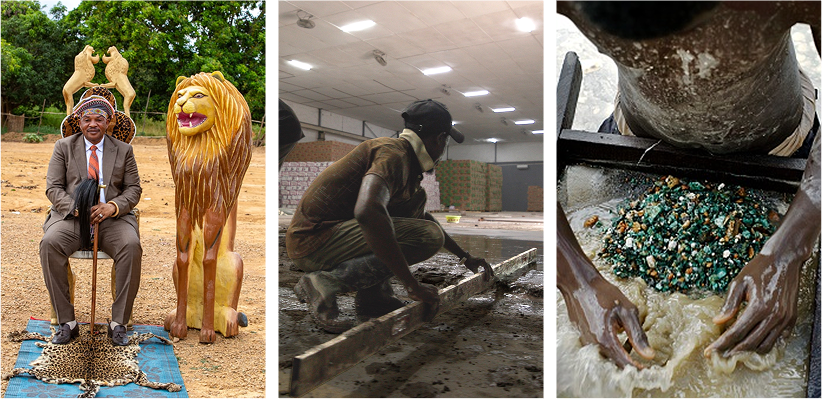
This isn’t about replacing government with donors—it’s about aligning all three: the state, communities, and the private sector. When royalties visibly fund clinics and clean water, communities gain resilience, and companies gain stability in the places they operate. It’s smart policy and smart business: less volatility for investors, fewer stock-outs for patients, and less reliance on external aid over time.
To us, health is priceless. Even me, the traditional chief, will begin seeking care right here, locally.
Fraud prevention
With mining royalties and health system and infrastructure investments in place, fraud prevention becomes increasingly important to prove to the private sector that the health system will not become rife with fraud, waste and abuse. Fortunately, IHP worked with the government to build accountability into the core of the program.
In 2022 The national anti-fraud hotline, called the “green line” opened a direct line between citizens and the health system. People called, texted, and reported when medicines went missing, when informal fees were charged, when transport allowances disappeared. The system logged more than 205,000 tickets; 734 led to sanctions; and authorities recovered approximately $868,859. Most importantly, the hotline is now owned, operated, and funded by the Government of the DRC—accountability that endures beyond any single project (see p.5).
We’ve seen real improvements in governance within the provincial health system. Health workers are more accountable, not only to their superiors, but also to the people they serve.
Solutions in Action
By the end of my trip, I was still laser focused on the urgent need but reminded that IHP’s achievements underscore a simple truth: the solutions are not hypothetical. They existed, they worked, and they can work again. But not only that, within this new paradigm, plus renewed GoDRC commitment – we can go farther, have more impact, and ensure sustainability and transition. Throughout PROSANI/IHP, the Ministry of Health set priorities and managed the system, while our team provided technical assistance, training, and tools that strengthened public service delivery.
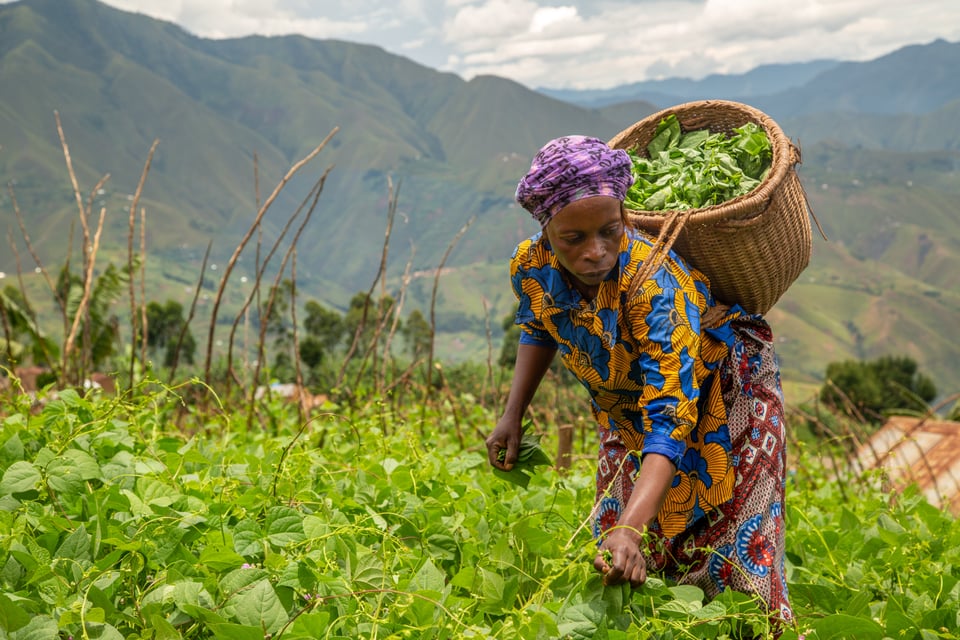
The pause in U.S. assistance was a setback, but now, as priorities become clearer, there are reasons for optimism. For instance, for the first time in the DRC Abt Global leading a provincial campaign to distribute insecticide-treated nets under our PMI Evolve global program. This work is more than a logistical exercise. It symbolizes continuity: proof that U.S. foreign assistance is not dead, but evolving, targeting life-saving interventions that can lay the groundwork for future progress.