


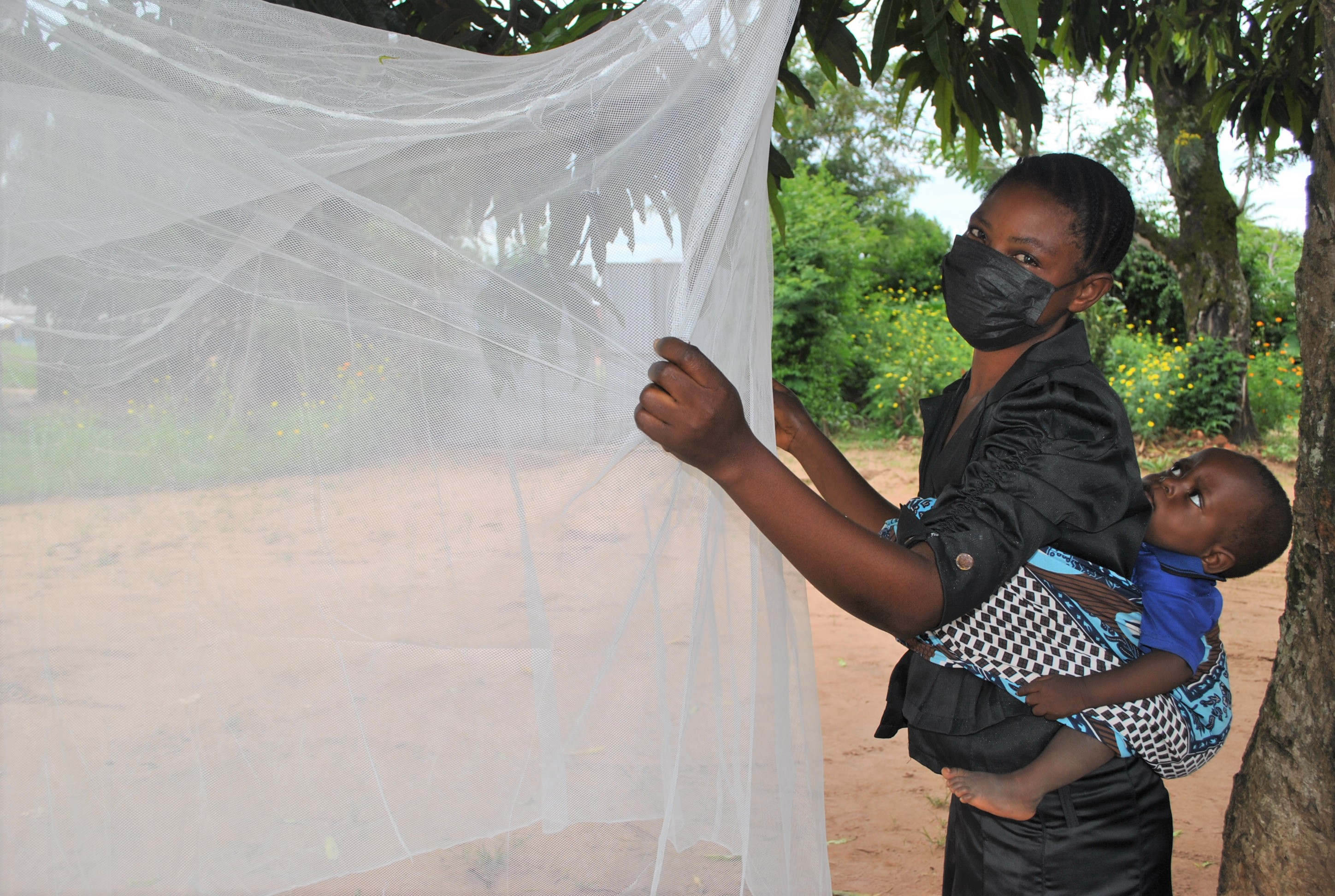
The Democratic Republic of Congo (DRC) has the second highest number of malaria cases in the world: more than 25 million in 2020 alone. Its 2020-2023 National Strategic Plan for Malaria Control has set targets to slash this caseload by up to half, particularly in provinces where malaria sickness and mortality are high. However, in a country as vast and complex as the DRC, broad efforts require a coordinated, decentralized approach.
In nine southeastern provinces, the Abt-led U.S. Agency for International Development (USAID) Integrated Health Program (USAID IHP) aims to use lessons learned in a promising pilot in Kasaï-Oriental province to put data in the hands of frontline health workers. They will be able to track their progress against local targets that roll up to the national level.
“You have a five-year national target to reduce cases of malaria. However, what should the nurses in health centers and the district health officer do exactly?” asked Constantin Mingahanga, USAID IHP’s health system strengthening specialist for Kasaï-Oriental. “How can we support and follow up on their progress?”
The program developed a strategy that designated milestones for health areas within provinces, including a data tracking system for nurses and a community engagement plan. In Kasaï-Oriental, the program teamed with provincial health districts to train 315 providers in 302 health areas to collect monthly data from community care sites and health centers, analyze it against local targets, and share it to guide community engagement.
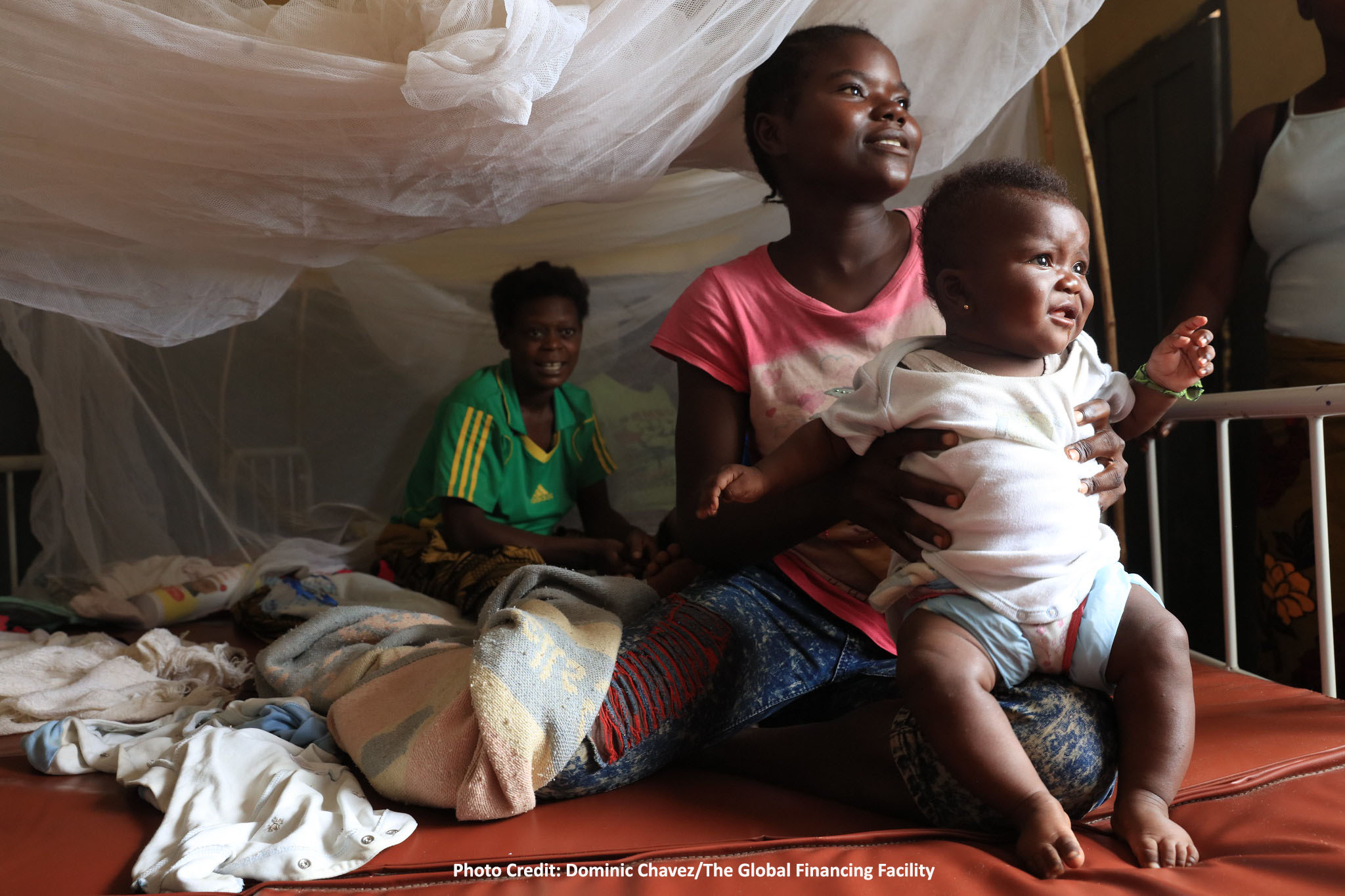
One of them is René Lumpunga, a nurse from Nsenda health area in the Mpokolo health zone. Every month, he meets with local providers to collect their data on cases they treated. Then he meets with other nurses from the health zone and neighboring health areas to share data and compare results against previous months. They discuss which interventions have been working in their communities, such as sensitization sessions about insecticide-treated bed nets and community clean-ups to clear out standing water.
These community meetings pay particularly close attention to malaria mortality rates, soliciting community input and assistance to find the source of upward or downward trends and to plot a path forward. As a result, community members are encouraged to hold health facilities accountable. In one meeting in Kasai-Oriental, women from a local community learned about negative malaria mortality trends and demanded increased anti-malarial drug availability for pregnant women.
Finally, Lumpunga runs an “open door” daytime meeting so people—particularly women—can come and go as throughout the day to learn about the presence and treatment of malaria in their communities. He presents the results against Nsenda’s target of a 20 percent annual reduction in cases and answers community members’ questions about malaria incidence.
In 2021, the program expanded the approach to the provinces of Haut-Katanga and Haut-Lomami and will continue to widen the strategy in the coming years. Today, all three provinces use the data tracking tools and continue to engage in community discussions to ensure the data influence interventions. Providers also work jointly with community action groups, who plan prompt activities in response to the malaria data. With Abt’s support to improve facilities’ capacity to collect and harness their data, we are empowering local actors to make sustainable and evolving changes to their health system as new needs arise.
Read More
Infectious Diseases & Global Health Security in Sub-Saharan Africa
Bolstering Global Health Security in a Changing Environment
Environmental hazards require adaptive global health security strategies.

Beyond COVID-19: What Global Health Security Will Look Like
As leaders focus on pandemics and global health security, they should look at three related items: other diseases, social determinants of health, and logistics.

Improving Immunization Programming in Mozambique
An analysis of Mozambique’s 2015 immunization spending reveals that despite adequate resources and increases in immunization coverage, challenges to the immunization program persist. In addition to examining the efficiency of the immunization program, Mozambique would benefit from efforts to report and compile immunization spending data more effectively.This policy brief and the underlying health accounts exercise have been supported by Abt Global, through a grant secured from the Bill and Melinda Gates Foundation.Also available in Portuguese.

A Concise, Health Service Coverage Index for Monitoring Progress Towards Universal Health Coverage
There is a growing international commitment to universal health coverage (UHC), but limited means to determine progress towards that goal. The authors developed a practical index for capturing health service coverage – a critical dimension of UHC -- that was more inclusive than previous methods.The approach moved beyond common indicators of service coverage focused on infectious diseases and maternal and child health, to include information on necessary health inputs. The resulting, balanced, composite index of health service coverage demonstrated promise as a metric, likely to discriminate coverage levels between countries and regions. An important number of service provision indicators were correlated, therefore a reduced set of services performed well as a proxy for the full set of available indicators. This parsimonious index is a start toward simplifying the task of policy-makers monitoring progress on a key domain of universal health coverage.