


In Almaty, Kazakhstan, as in much of the world, tuberculosis (TB) carries a stigma. That often makes people who contract the disease reluctant to acknowledge and treat it, creating opportunities for TB to spread.
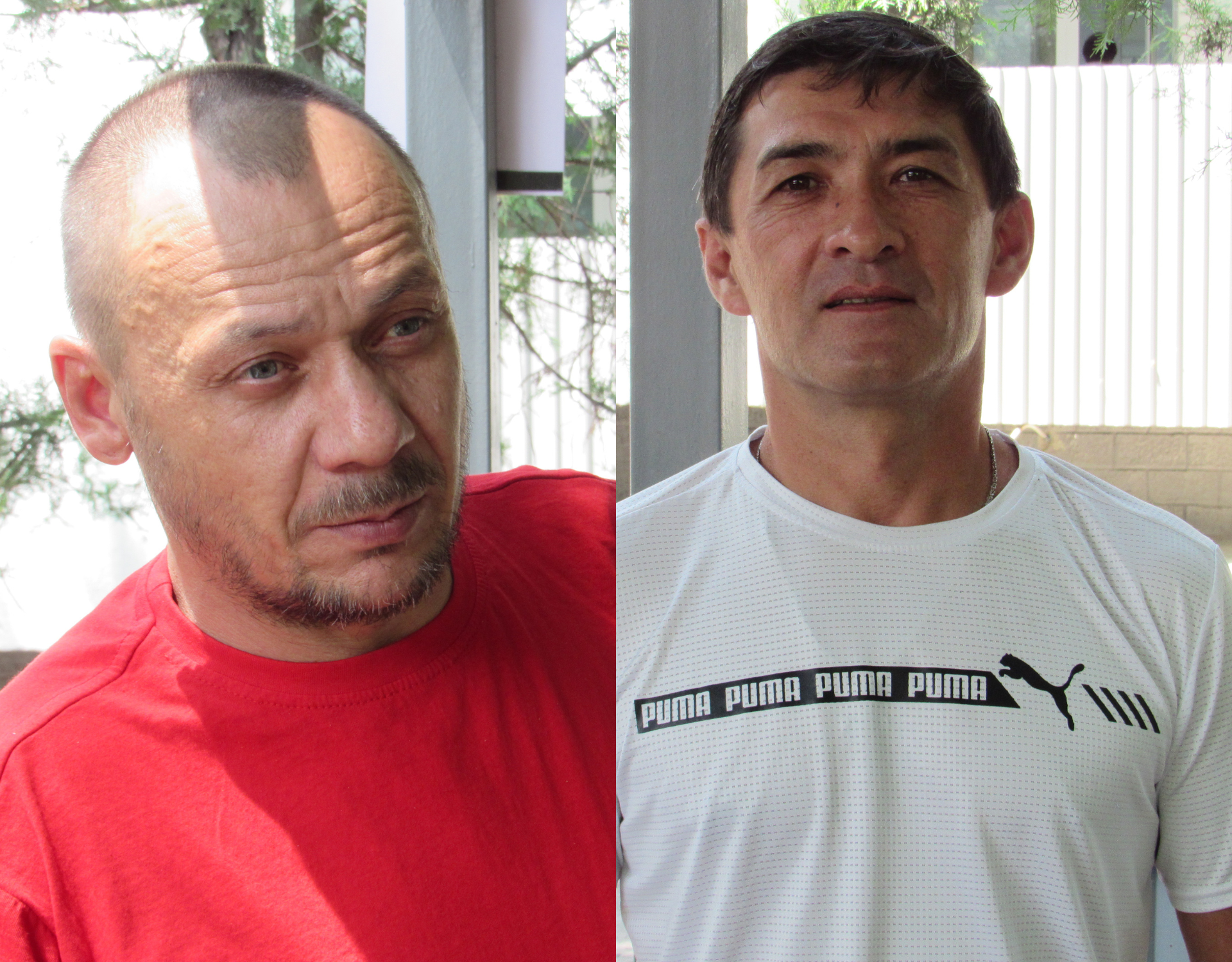
One effective way of dealing with this dynamic is peer-to-peer support groups. People who have contracted TB and been through treatment can provide a safe space for at least some of the 450 people in Almaty diagnosed with TB each year, including more than a quarter with harder-to-treat drug-resistant forms of the disease. "A self-help group is a place where you don't have to hide anything," said Malik, a group member. "You don't have to hide the fact that you have tuberculosis."
That’s why building a TB community in Almaty is vital, said Valery Shtekel, a peer counselor from the Kazakh NGO Revansh. "People from vulnerable groups can face many problems and get demotivated, especially when they are sick,” he notes. “Only someone who has already overcome such barriers can help others get through their difficulties.”
A successful support group doesn’t arise spontaneously, though. It requires training, and that’s where the Abt-led USAID Eliminating TB in Central Asia (ETICA) Activity comes in. It collaborates with the Kazakhstan National TB Program to train local NGOs and people like Shtekel to conduct peer-to-peer support among people with the disease.
Shtekel and his colleague Igor Livaza began their counseling careers by supporting people with HIV. In 2020, after an Almaty-based NGO that provided TB services closed, the pair started receiving more questions from people with TB, which they didn’t know how to answer.
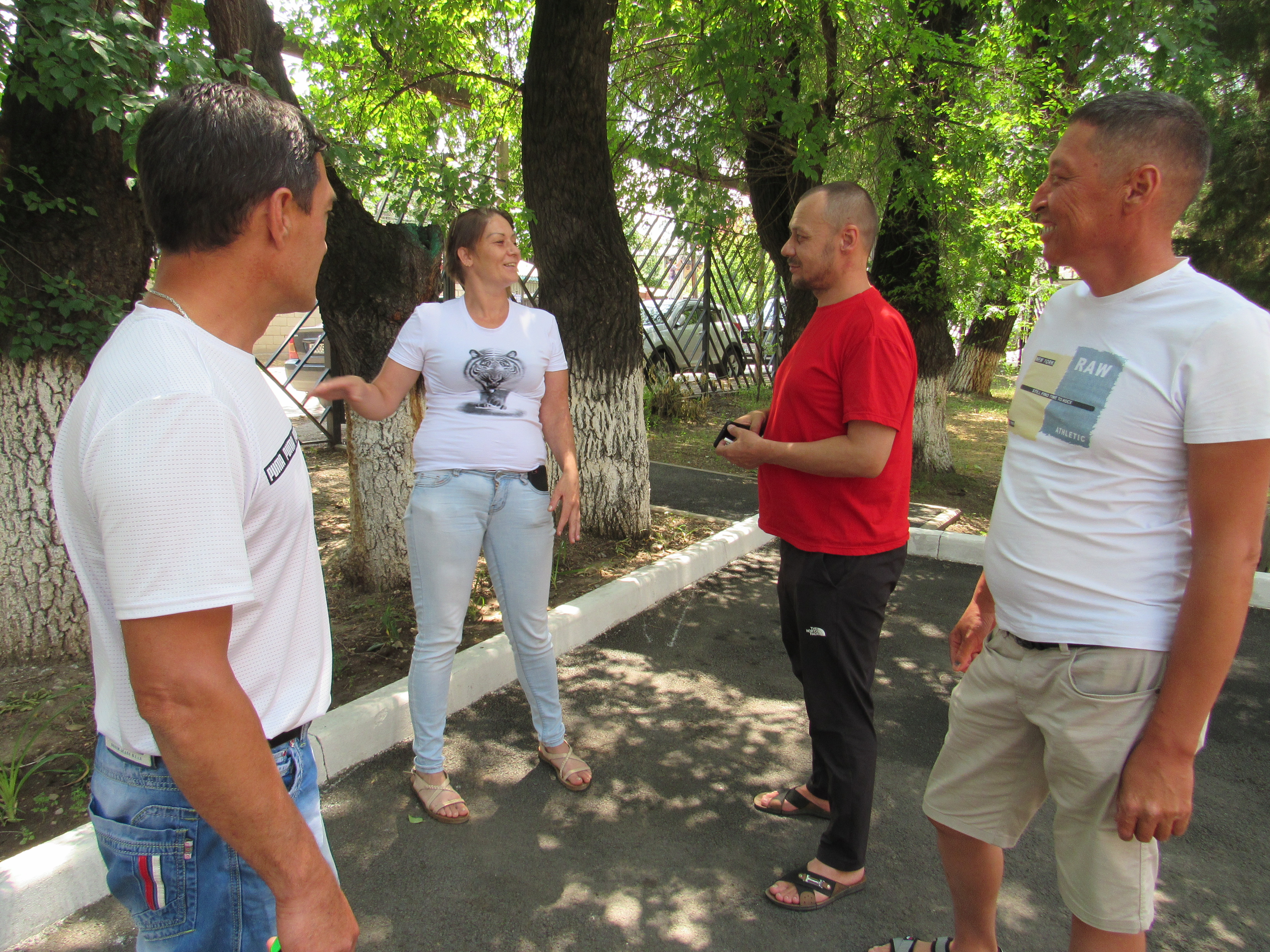
"It's hard when a client comes to you, and you can't help him or her because you don't have enough knowledge yourself," Shtekel explained. "TB has its own particulars: how to get tested, how to avoid spreading the disease, who qualifies for inpatient or outpatient treatment, what [state] benefits people with TB can qualify for. To help someone, you need to be well aware of these issues."
In November 2021, Shtekel and Livaza read an announcement about USAID ETICA’s "First Among Peers," a step-by-step guide on TB peer counseling and advocacy. They joined 14 others for four weeks of training, learning the principles of working with people affected by TB and how to develop TB communities.
Following the training, trainees organized TB self-support groups. Shtekel and Livaza worked with USAID ETICA to develop a concept paper on the work of self-support groups. They shared the concept paper, highlighting their process and goals, with the TB Center in Almaty and the City Department of Public Health's decision-makers.
In March 2022, Shtekel and Livaza's work resulted in the signing of a Memorandum of Cooperation and the organizing of the first meeting for people affected by TB at the TB Center. The weekly meetings connect members with information and psychological and social services plus advice from people who have overcome similar life difficulties. Members can access USAID ETICA-funded support or guidance by phone 24/7 .
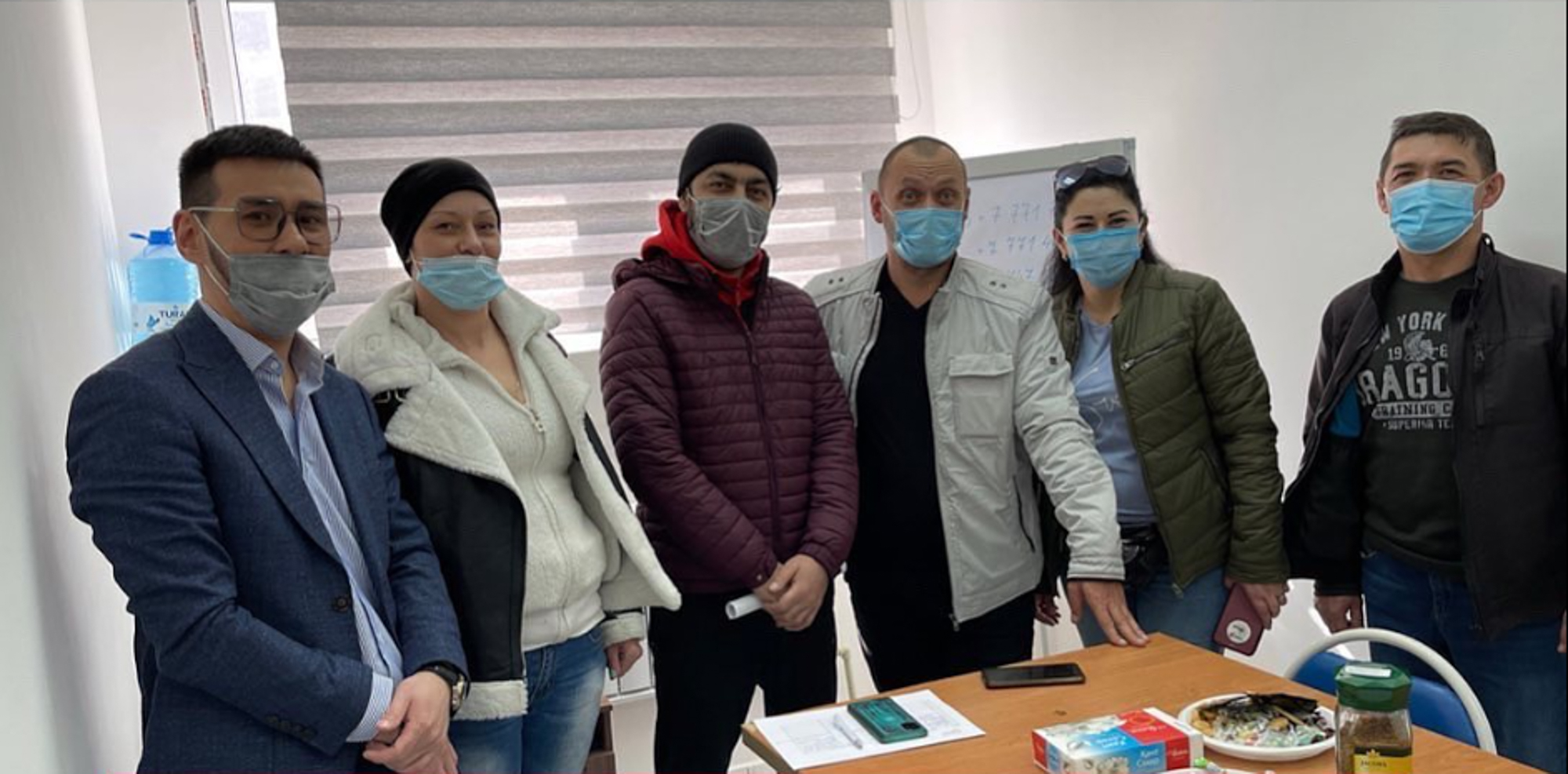
Since March 2022, 155 people affected by TB have attended group meetings hosted by Shtekel, Livaza, and other trained peer counselors. Everyone has stuck with their treatments, including three who completed treatment for drug-resistant TB.
Now Shtekel and Livaza are taking their efforts a step further. With support from USAID ETICA, they started holding information sessions for self-support group members interested in learning how to become peer counselors and provide psychological and social support. "[T]here is a lot of work, but there are few peer TB consultants,” Livaza said. “So we started to train TB patients in the skills that we learned."
Their goal, Shtekel added: trainees able to launch new TB communities and maybe even an NGO.
Read More
Infectious Diseases & Global Health Security in South & Central Asia

What is One Health? A Frontline Defense Against Zoonotic Diseases
A One Health approach, which includes human, animal, and environmental health, is critical for fighting diseases passed between animals and humans.

Beyond COVID-19: What Global Health Security Will Look Like
As leaders focus on pandemics and global health security, they should look at three related items: other diseases, social determinants of health, and logistics.

A Concise, Health Service Coverage Index for Monitoring Progress Towards Universal Health Coverage
There is a growing international commitment to universal health coverage (UHC), but limited means to determine progress towards that goal. The authors developed a practical index for capturing health service coverage – a critical dimension of UHC -- that was more inclusive than previous methods.The approach moved beyond common indicators of service coverage focused on infectious diseases and maternal and child health, to include information on necessary health inputs. The resulting, balanced, composite index of health service coverage demonstrated promise as a metric, likely to discriminate coverage levels between countries and regions. An important number of service provision indicators were correlated, therefore a reduced set of services performed well as a proxy for the full set of available indicators. This parsimonious index is a start toward simplifying the task of policy-makers monitoring progress on a key domain of universal health coverage.

Reducing Uzbekistan’s Tuberculosis (TB) Burden
Uzbekistan has made great strides in tuberculosis (TB) control. However, the TB burden remains high, and Uzbekistan is in the top 30 countries with cases of multidrug-resistant TB. Across USAID’s reach, cure, prevent, innovate, and sustain strategic…